Culture
Drag and ballroom history: from Harlem balls to voguing, houses and the stage today
A clear history of drag and ballroom culture: early stage traditions, the Harlem balls, William Dorsey Swann, Crystal LaBeija and the house system, voguing, the AIDS years, Paris Is Burning and how to enjoy drag today with respect.
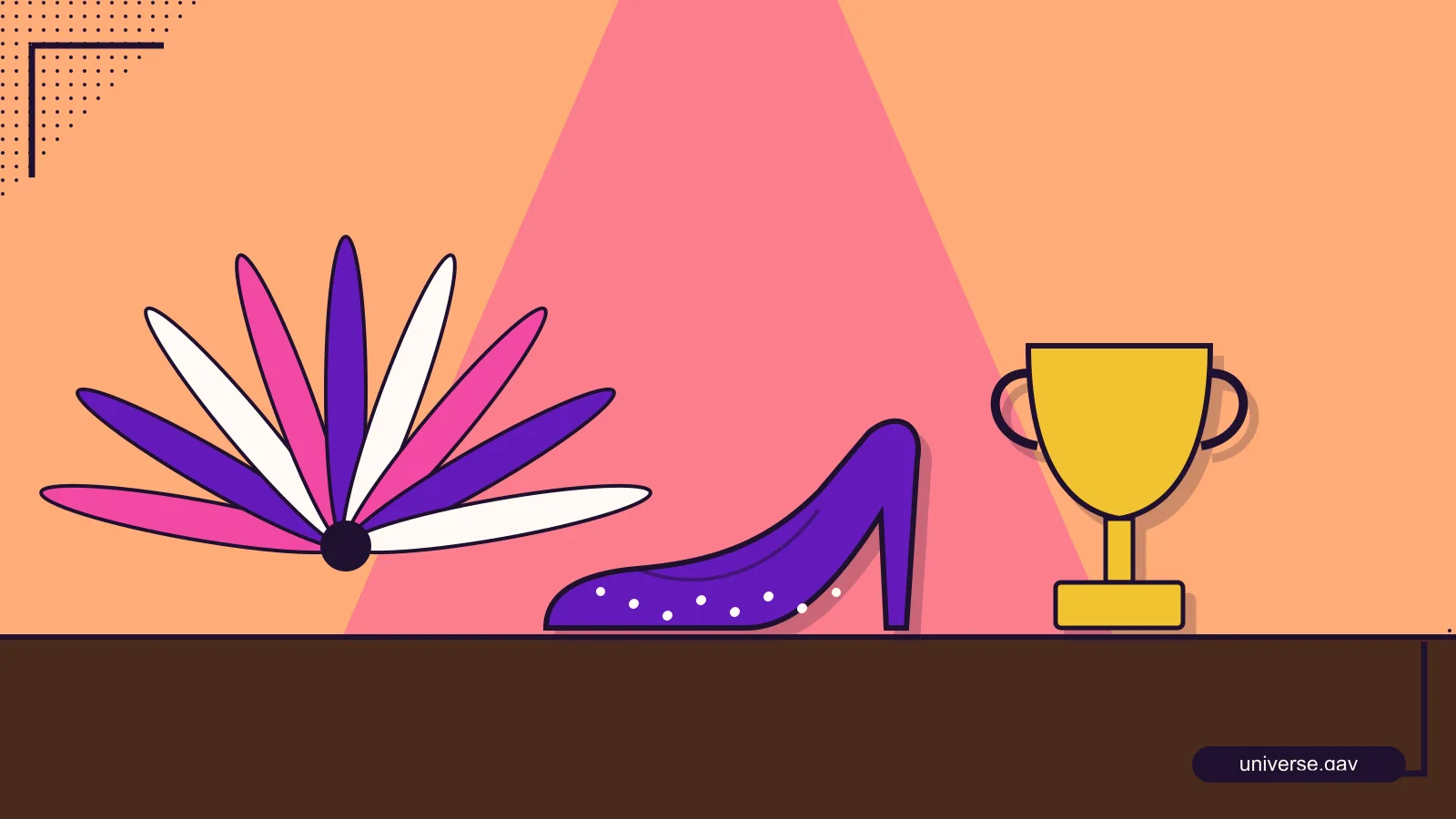
Drag is the art of performing gender in a big, playful or exaggerated way, usually on a stage. Ballroom is a competition culture created mainly by Black and Latino LGBTQ+ people in New York, where “houses” compete at events called balls by walking in categories, dancing and showing off looks. The two are related and share a lot of history, but they are not the same thing. Drag can happen anywhere there is a stage. Ballroom is a community with its own rules, families and language.
This guide tells the story in order: the old stage traditions, the first drag balls, the house system, voguing, the hard years of the AIDS crisis and the moment drag and ballroom reached the mainstream. At the end you will find tips for enjoying drag and ballroom with respect.
Quick words before we start
| Word | What it means |
|---|---|
| Drag queen | A performer, often a man, who creates a big feminine character |
| Drag king | A performer, often a woman, who creates a masculine character |
| Ball | A competition event where people walk in categories for trophies and prizes |
| House | A chosen family within ballroom, led by a “mother” and sometimes a “father” |
| Category | A theme people compete in, such as runway, face or realness |
| Walk | To compete in a category |
| Vogue | A dance style born in ballroom, built on model poses and sharp lines |
| Reading and shade | Clever, cutting insults, an old ballroom art form |
Drag is a performance, not an identity. Drag performers can be gay, straight, bisexual, trans, nonbinary or anything else. Being a drag queen is not the same as being a trans woman, although some trans women do drag. Our guide to what transgender means explains the difference.
Before the word “drag”: gender on stage
For centuries, many theatres did not allow women on stage, so men and boys played female roles.
- In Shakespeare’s England, boy actors played Juliet, Lady Macbeth and every other female part.
- In Japanese kabuki, women were banned from the stage in the 1600s, and male actors called onnagata became masters of female roles. The tradition still exists.
- In Chinese opera, male performers in female roles became famous stars.
These were not drag in the modern sense, because they were part of normal theatre rules. But they show that playing with gender on stage is very old.
In the late 1800s and early 1900s, music halls and vaudeville shows made gender play a popular act. Female impersonators such as Julian Eltinge became big stars in the United States, and male impersonators such as Vesta Tilley filled British theatres. These performers were often careful to look respectable in public, because the same society that bought tickets punished queer people offstage.
Nobody knows for sure where the word “drag” comes from. One popular story says it came from theatre slang about long skirts dragging on the floor. Another link points to “grand rag”, an old term for a masquerade ball.
William Dorsey Swann: the first known “queen of drag”
In the 1880s in Washington, D.C., a formerly enslaved man named William Dorsey Swann hosted secret parties where men dressed in gowns and danced. He called these parties “drags” and called himself their queen. Historian Channing Gerard Joseph found that Swann is the earliest person on record to call himself a queen of drag.
Police raided Swann’s parties more than once. In 1888 he fought back against the arrest, one of the earliest known acts of resistance by a queer person against police in the United States. Later he asked the president for a pardon after a prison sentence and was refused. His story was almost forgotten for a hundred years.
The Harlem balls
In New York, the Hamilton Lodge Ball in Harlem is often called the first recorded drag ball in the country. It started in 1869 as a masquerade ball held by a Black fraternal lodge. By the 1920s and 1930s, during the Harlem Renaissance, these balls drew thousands of guests and spectators. Men in gowns and women in suits paraded in front of judges, and newspapers wrote about them with a mix of shock and fascination.
These balls were rare places where queer people could gather in large numbers. They were also risky. Police often used laws against wearing disguises in public to arrest people in drag on their way home.
Racism, Crystal LaBeija and the birth of the houses
By the 1960s, drag pageants were common, but many were run by white organisers and judged in favour of white queens. Black and Latino queens had to lighten their makeup to have a chance.
In 1967, a Black queen named Crystal LaBeija competed in a national drag pageant in New York and lost to a white contestant. She walked out and spoke angrily about the unfair judging. The moment was captured in the 1968 documentary The Queen, and it became a turning point.
In the early 1970s, around 1972, Crystal LaBeija and Lottie LaBeija created the House of LaBeija, usually described as the first ballroom house. More houses followed, with names like Xtravaganza, Ninja, Corey, Dupree, Pendavis and many others.
A house is more than a team. Many young Black and Latino LGBTQ+ people had been rejected by their families or pushed out of their homes. A house gave them a mother, siblings, advice, food, sometimes a place to sleep and a reason to dream big. Ballroom is one of the strongest examples of what our guide to chosen family describes.
How a ball works
A ball is a show and a competition at the same time.
- The categories are announced in advance. Some are about fashion, such as runway or labels. Some are about beauty, such as face. Some are about realness, where the goal is to look so convincing in a role, such as a business executive or a student, that you could pass outside the ballroom without being harassed.
- The commentator, a host with a microphone, chants over the music, hypes the crowd and keeps the night moving.
- The judges sit at a table. If they love a contestant they call out “tens across the board”. If something is wrong, they “chop” the contestant, who is out.
- The winners take home trophies, prizes and, most of all, status for their house.
Realness had a painful logic. For many trans women and gay men of colour, blending in on the street could mean safety. Ballroom turned that survival skill into an art form and a trophy.
Voguing
Voguing is the dance most people link to ballroom. It grew in Harlem ballrooms from the 1970s onward, inspired by the poses of models in fashion magazines like Vogue. Willi Ninja, often called the grandfather of vogue, made the style famous and taught it far beyond the ballroom.
There are three main styles:
- Old way: sharp lines, angles and symmetrical poses.
- New way: tighter movements, flexibility, arm control and “clicks”.
- Vogue femme: fluid, dramatic and very feminine, often described through five elements: hands, catwalk, duckwalk, spins and dips, and floor performance.
Stonewall, AIDS and survival
Drag queens and trans women of colour were among the people at the centre of the Stonewall uprising of 1969, the event remembered every year by Pride. Our guide to why Pride exists tells that story.
In the 1980s and 1990s, the AIDS crisis hit ballroom very hard. Many legends, mothers and children died young, including Willi Ninja in 2006 and several people who appeared in famous films about ballroom. Houses buried their members and kept holding balls anyway. Around 1990, a health organisation in New York created the House of Latex to bring HIV prevention messages directly into ballroom, and ballroom has stayed connected to HIV awareness ever since.
When the world started watching
- 1990: Madonna’s song “Vogue” brought the dance to radio and television around the world. Many ballroom dancers felt the credit did not go back to the community that created it.
- 1990: The documentary Paris Is Burning, directed by Jennie Livingston, showed the New York ball scene of the 1980s. In 2016 the Library of Congress added it to the National Film Registry. The film is loved, but people also debate who profited from it, since many of the people in it stayed poor.
- 2009: RuPaul’s Drag Race began and turned drag into a global television genre.
- 2018 to 2021: The series Pose told stories set in 1980s and 1990s ballroom, with the largest cast of trans actors in regular roles in television history at the time.
Today ballroom scenes exist in many countries in Europe, Asia and Latin America, and a youth scene called the kiki scene gives younger people a lower-pressure way to walk. Our queer cinema guide suggests more films to watch.
Words the world borrowed
Many words now used in everyday slang came from Black and Latino queer spaces and ballroom, including “shade”, “reading”, “serving”, “realness”, “slay” and “yas”. It is not wrong to use them, but it helps to know where they came from and to give credit. When a culture’s words become trendy while its people stay poor or unsafe, that is worth noticing.
Drag today
Drag now appears in bars, theatres, festivals, television, music videos and family events. Drag kings, nonbinary performers and many styles that play with monsters, fantasy or comedy are all part of the scene.
Drag has also become a target. In recent years some politicians in different countries have tried to limit drag shows, which has led to protests and court cases. Performers and fans argue that drag is a form of art and free expression with a very long history.
How to enjoy drag and ballroom with respect
- Tip the performers. Many drag artists earn a big part of their income from tips.
- Do not touch performers, wigs or outfits without clear permission.
- At a ball, you are a guest. Follow the rules of the event, cheer loudly and do not walk into the runway.
- Ask before filming if you are not sure the event allows it.
- Credit the origins. When you share vogue or ballroom slang, remember the Black and Latino LGBTQ+ people who created it.
- Support local scenes, not just stars from television.
The short version
- Drag is the art of performing gender; ballroom is a competition culture with houses, categories and its own language.
- Playing with gender on stage is centuries old, from Shakespeare’s boy actors to kabuki.
- William Dorsey Swann hosted “drags” in the 1880s and called himself their queen.
- The Hamilton Lodge Ball started in Harlem in 1869 and grew huge in the 1920s.
- Crystal and Lottie LaBeija created the first house around 1972 after racism in drag pageants.
- Voguing grew in Harlem ballrooms and reached the world in 1990.
- Ballroom survived the AIDS crisis and remains a model of chosen family.
Drag and ballroom are joyful, but they were built by people who had to fight to exist. Knowing the history makes every performance mean more. For more symbols from queer history, see our guide to LGBTQ+ symbols.